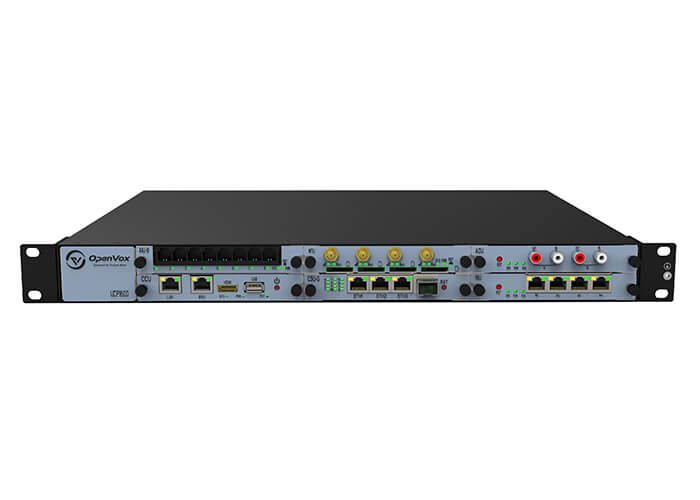
Central operations office
Manage business extensions, external routes, and intersite calls.
Products
Every OpenVox product line, from PBX systems to gateways and accessories.
View all 184 productsIPPBX and phones
Cards and accessories
Connect my sites
Modernize what I have
Connect distribution hubs, warehouses, dispatch centers, and mobile teams through a coordinated voice network, with E1/T1, SIP, or LTE access suited to each site.
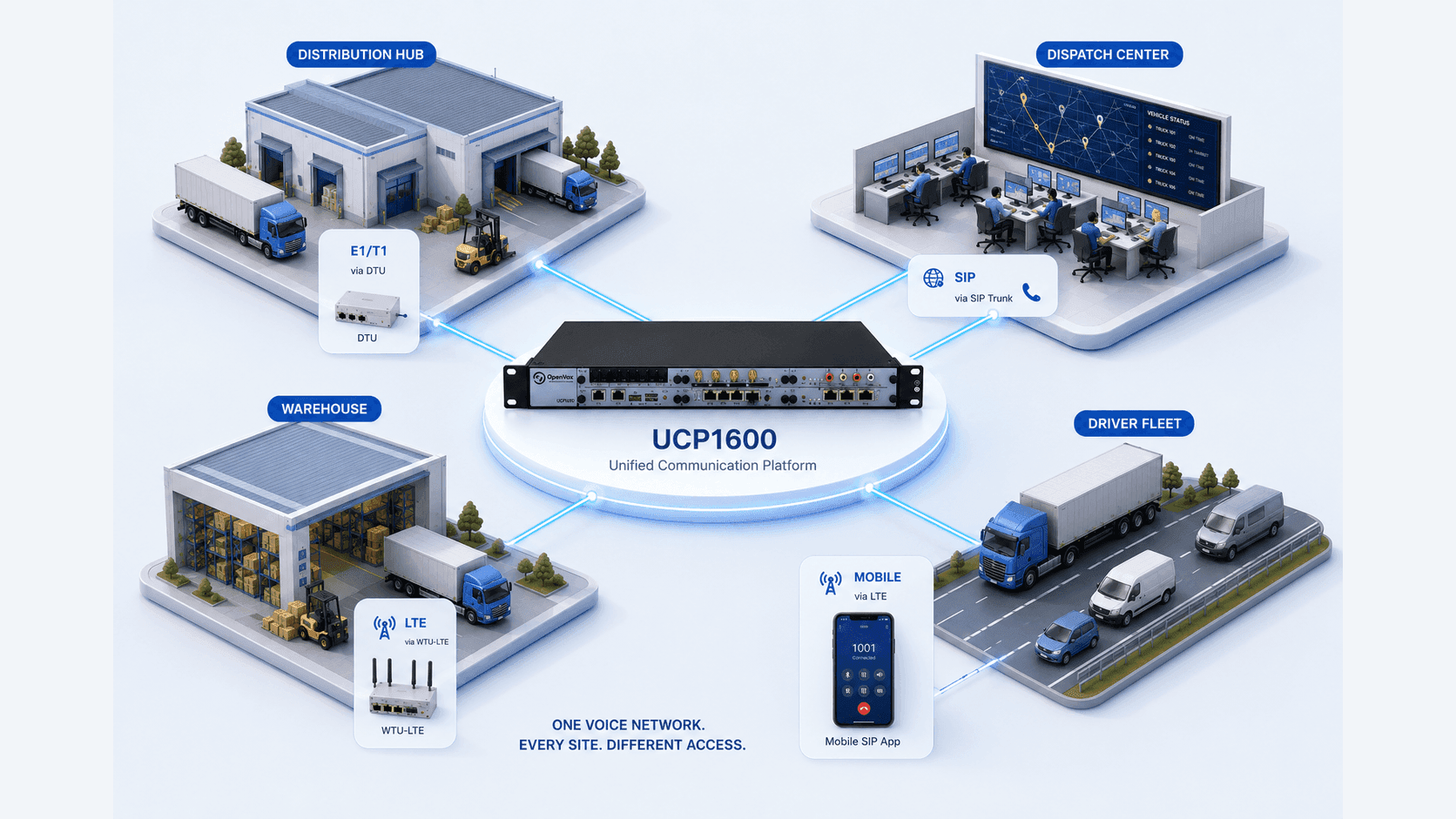
A hub, a warehouse, and a remote operating site may each need internal calls, local external routes, and a defined path for urgent communication.
The design must connect these sites without assuming that every site has the same trunk, endpoints, or continuity requirements.
Manage business extensions, external routes, and intersite calls.
Connect supported phones and approved paging zones for local teams.
Configure documented hotline, transfer, and authorization behavior around operational roles.
Keep approved mobile users connected to enterprise voice over LTE.
A managed voice platform links distribution hubs, warehouses, dispatch centers, and mobile users, while E1/T1, SIP, and LTE provide the access paths specified for each operation.
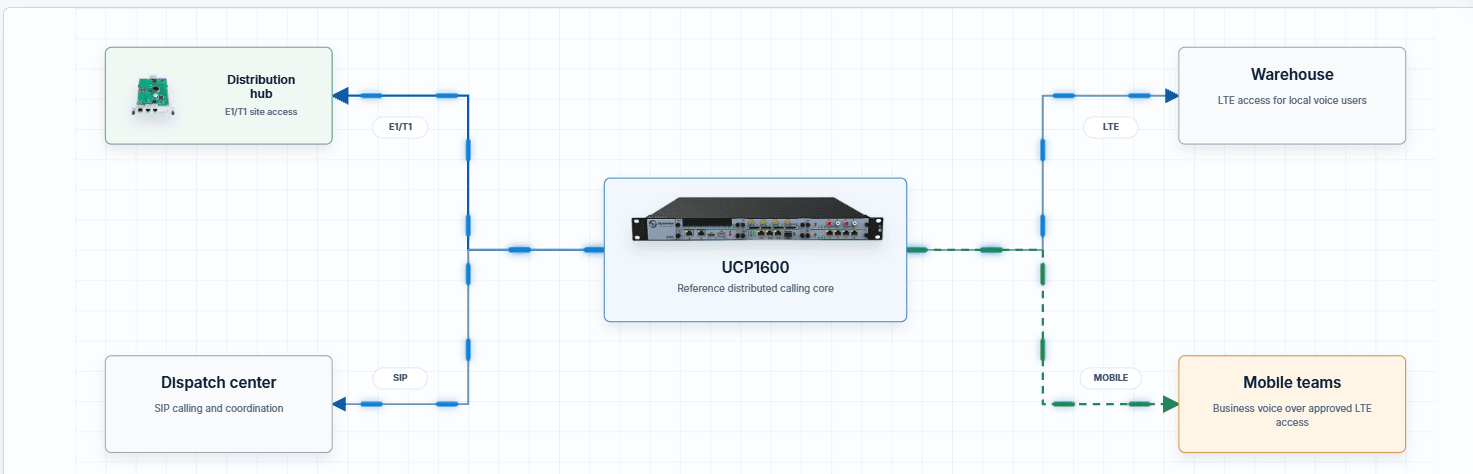
The project separates the common calling model from local differences in trunks, endpoints, and continuity.
List distribution hubs, warehouses, dispatch centers, and mobile teams.
Document intersite, local, external, and priority communication.
Assign E1/T1, SIP, or LTE roles by location.
Test the selected routing, permissions, paging, and fallback paths.
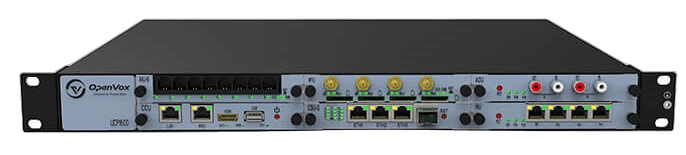
Product selection follows the number of sites, extension scale, paging reach, existing trunks, and available transport services.
No fleet, vehicle, radio, video, or omnichannel platform capabilities are implied.
OpenVox documents SIP interconnection between headquarters, branches, and multiple buildings.
UCP includes documented hotline, paging broadcast, and emergency call functions.
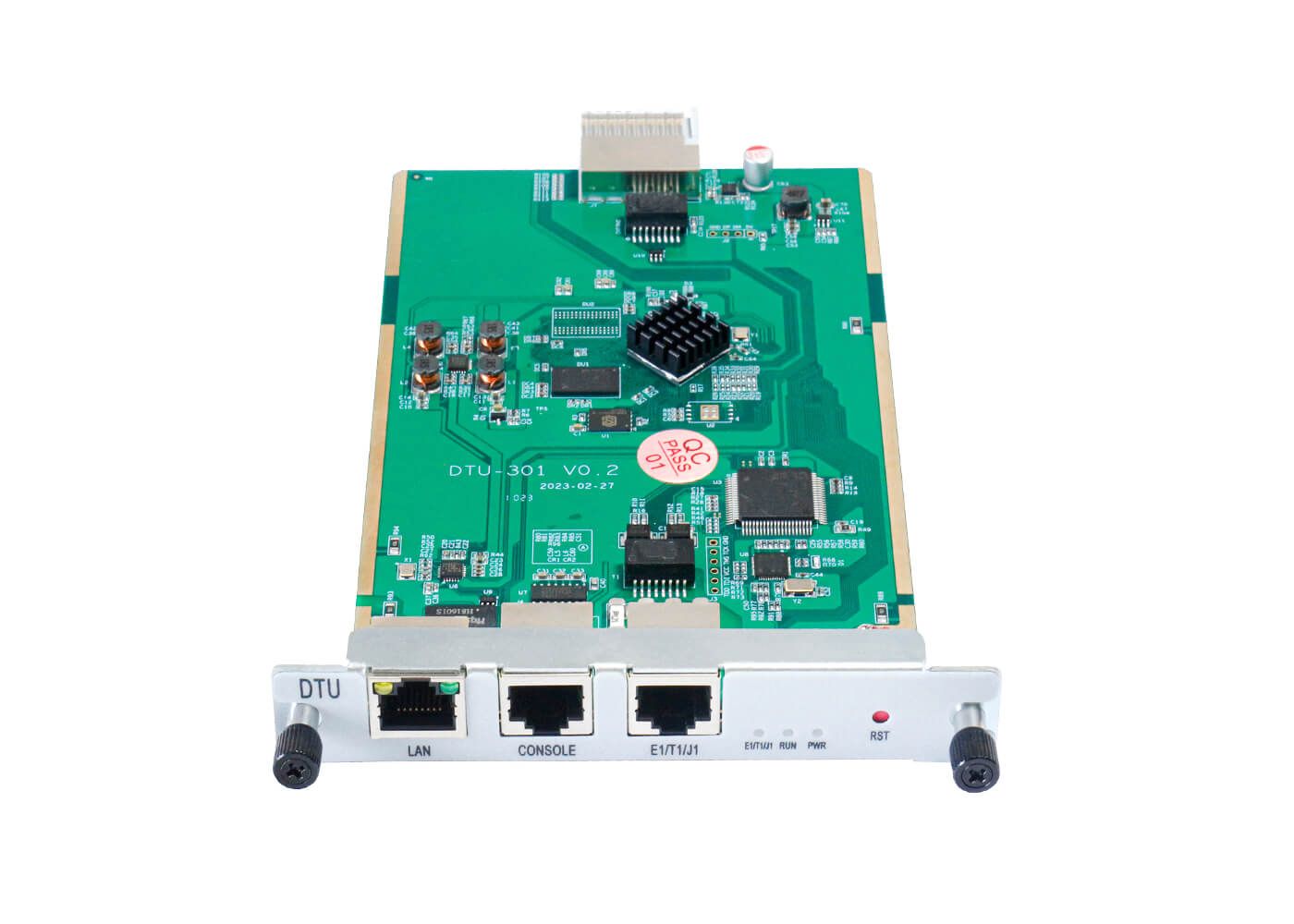
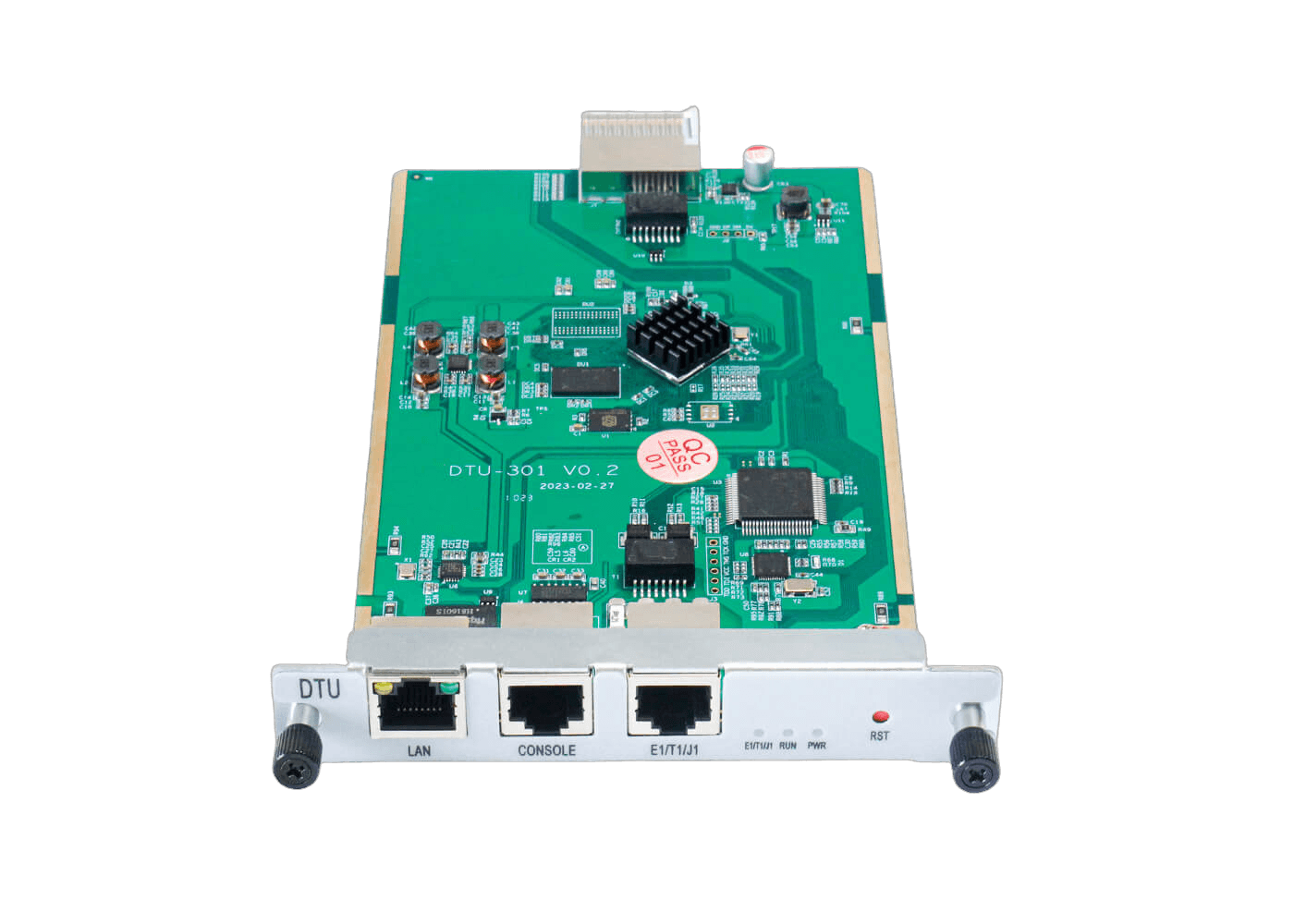
Digital gateways and DTU modules support documented E1/T1/J1 roles.
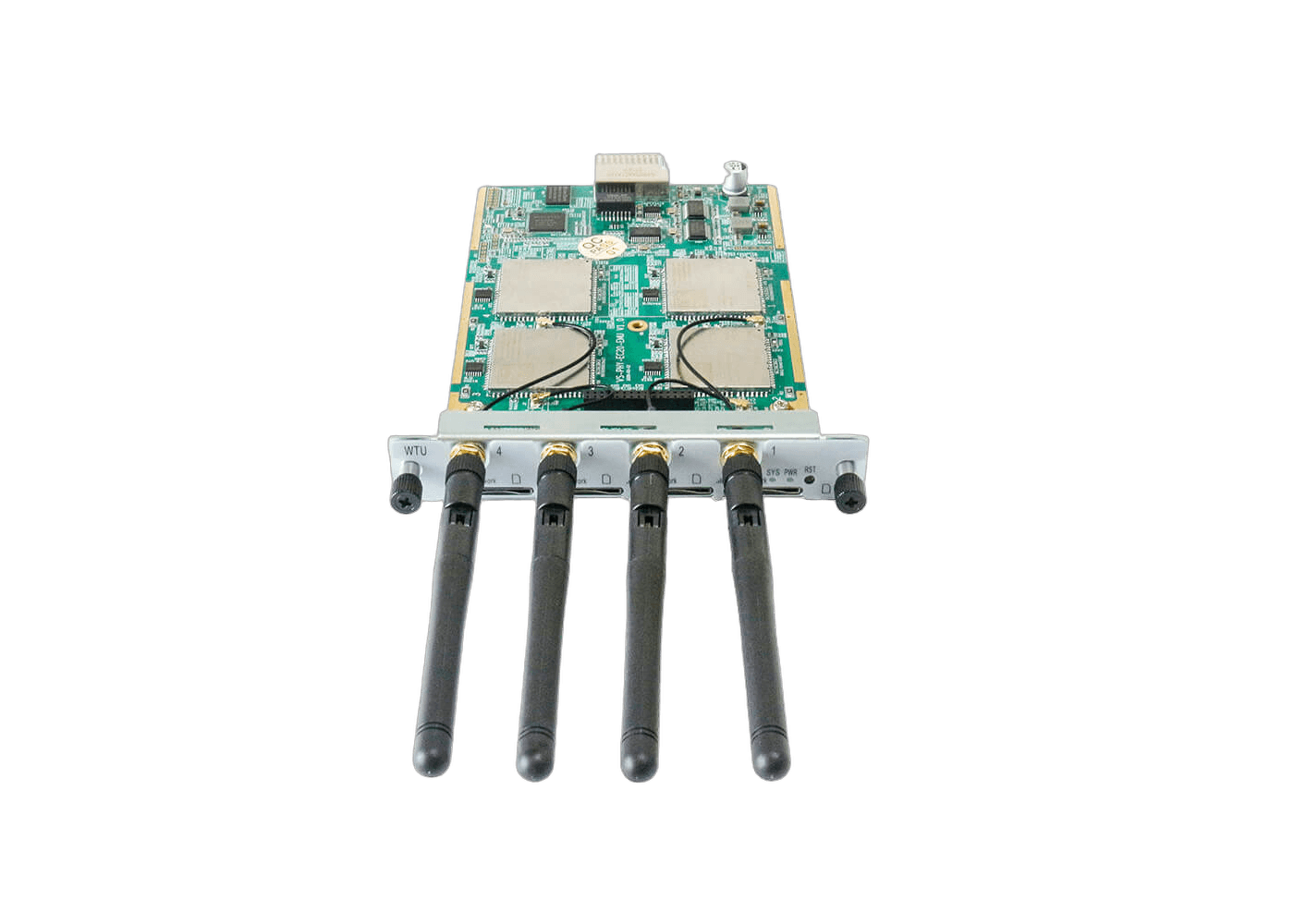
OpenVox cellular gateways can serve as defined primary or backup trunk roles.
Share site types, users, extensions, paging tasks, trunk services, and continuity priorities. OpenVox can help map the shared platform and local access roles.
Supports 1/2/4 software-selectable T1/E1/PRI interfaces; supports up to 30/60/120 concurrent calls.
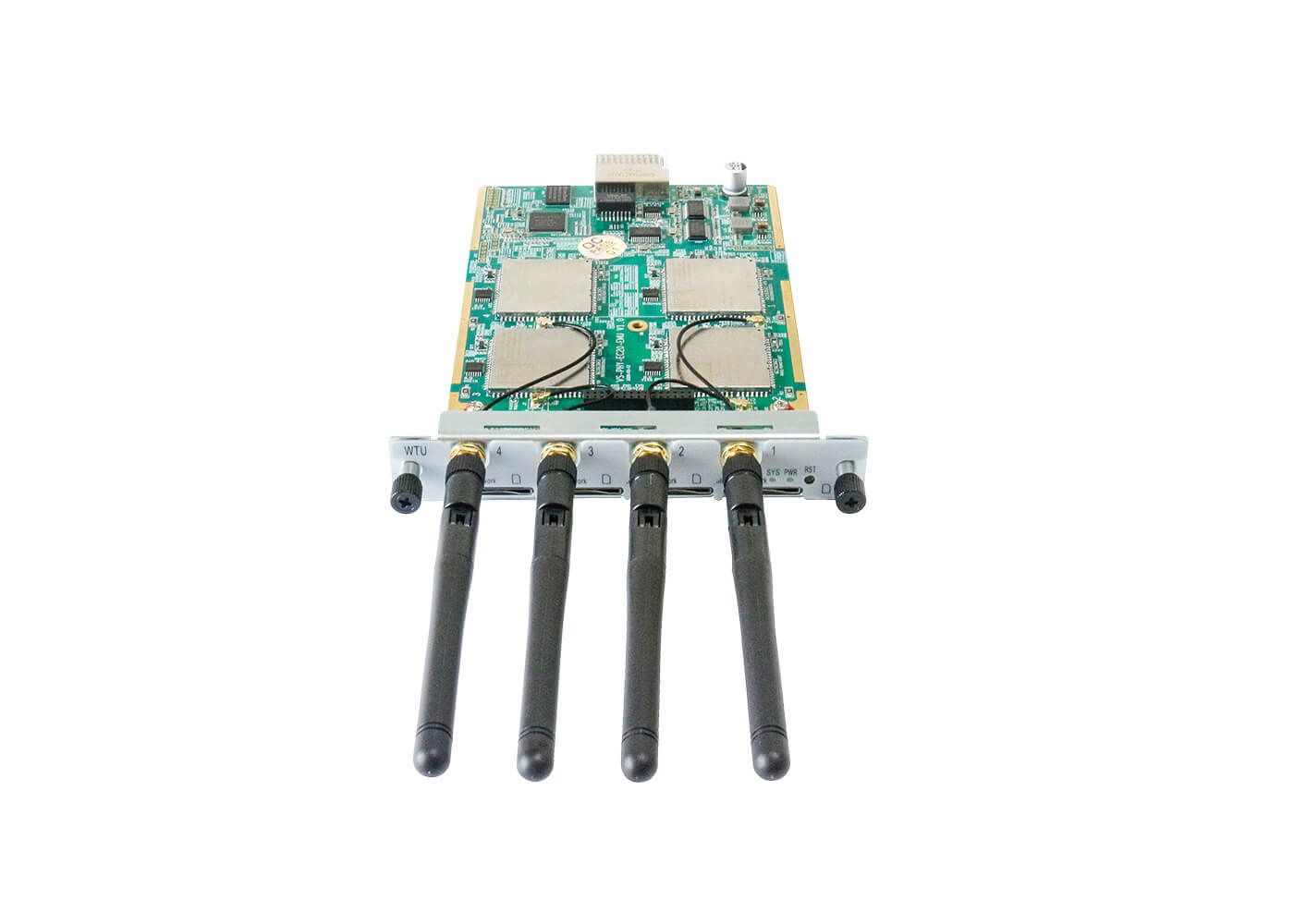
LTE interface cards for UCP1600/2120/4131 series chassis; the WTU-LTE module provides 4 LTE ports.
Describe your requirements. Our team can help you select and plan your OpenVox solution.