High-volume public services
Coordinate agents, SIP and analog telephones, with access to approved local trunks.
Products
Every OpenVox product line, from PBX systems to gateways and accessories.
View all 184 productsIPPBX and phones
Cards and accessories
Connect my sites
Modernize what I have
Integrate central offices, departments, and community service sites into a governed voice environment, so teams can call across sites while keeping local systems connected.
Public service sites often combine different call volumes, telephone estates, trunks, and levels of network readiness.
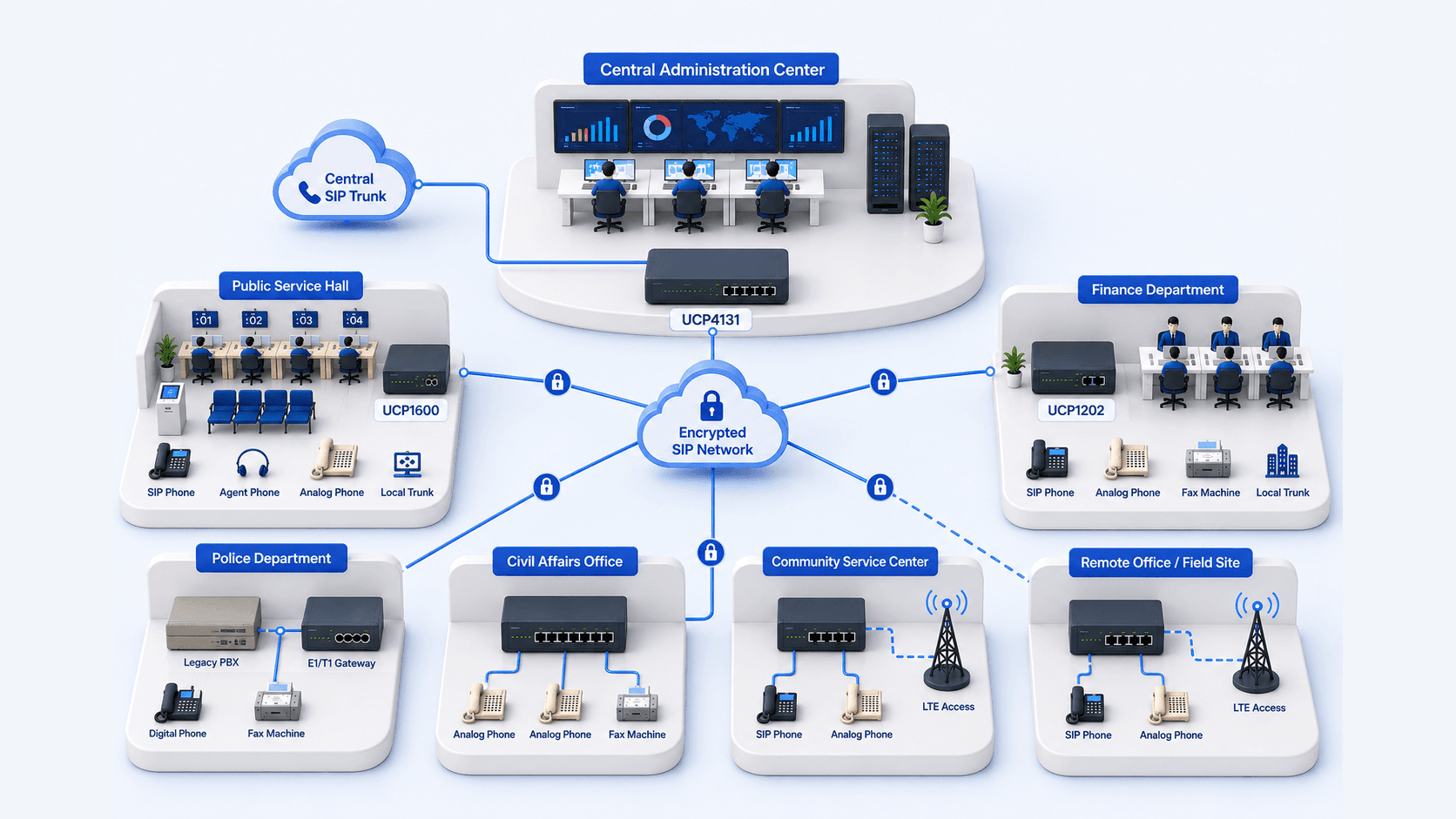
The delivered architecture integrates public service halls, finance offices, police departments, civil affairs offices, community service centers, and remote field sites into a single plan, with high-concurrency SIP, mixed local trunks, legacy E1/T1 and analog access, as well as LTE access at selected remote sites.
Coordinate agents, SIP and analog telephones, with access to approved local trunks.
Support finance, police, and civil affairs sites without requiring a single equipment type.
Connect legacy PBXs, E1/T1 services, analog telephones, and fax during the transition.
Use local SIP and analog service with LTE access for community centers and remote field sites.
Central voice governance provides shared unified numbering, permissions, and monitoring over an encrypted SIP network, while individual locations retain the SIP access, E1/T1 trunks, analog telephones and fax, or LTE access for remote sites required by their current estate.
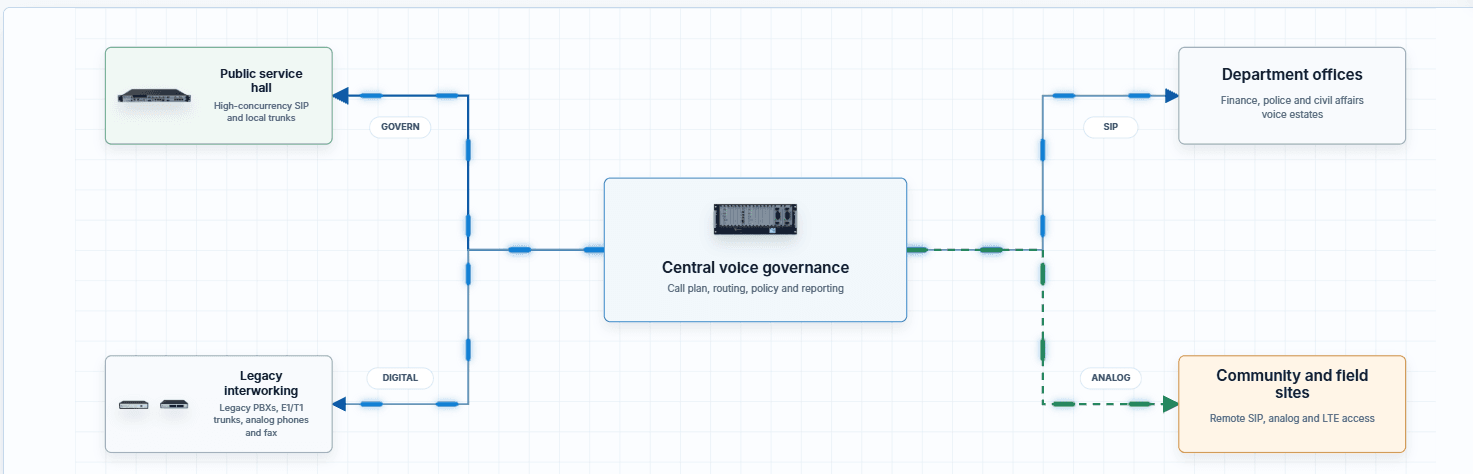
Document each department, the systems it retains, and the local, external, and inter-site calls that must work before migration.
Record users, call volumes, PBXs, telephones, fax, trunks, and connectivity.
Define numbering, routing, permissions, monitoring, and operational responsibility.
Map SIP, local trunks, digital interworking, analog access, and LTE access for remote sites.
Test local, external, inter-department, and remote-site calls before each cutover.
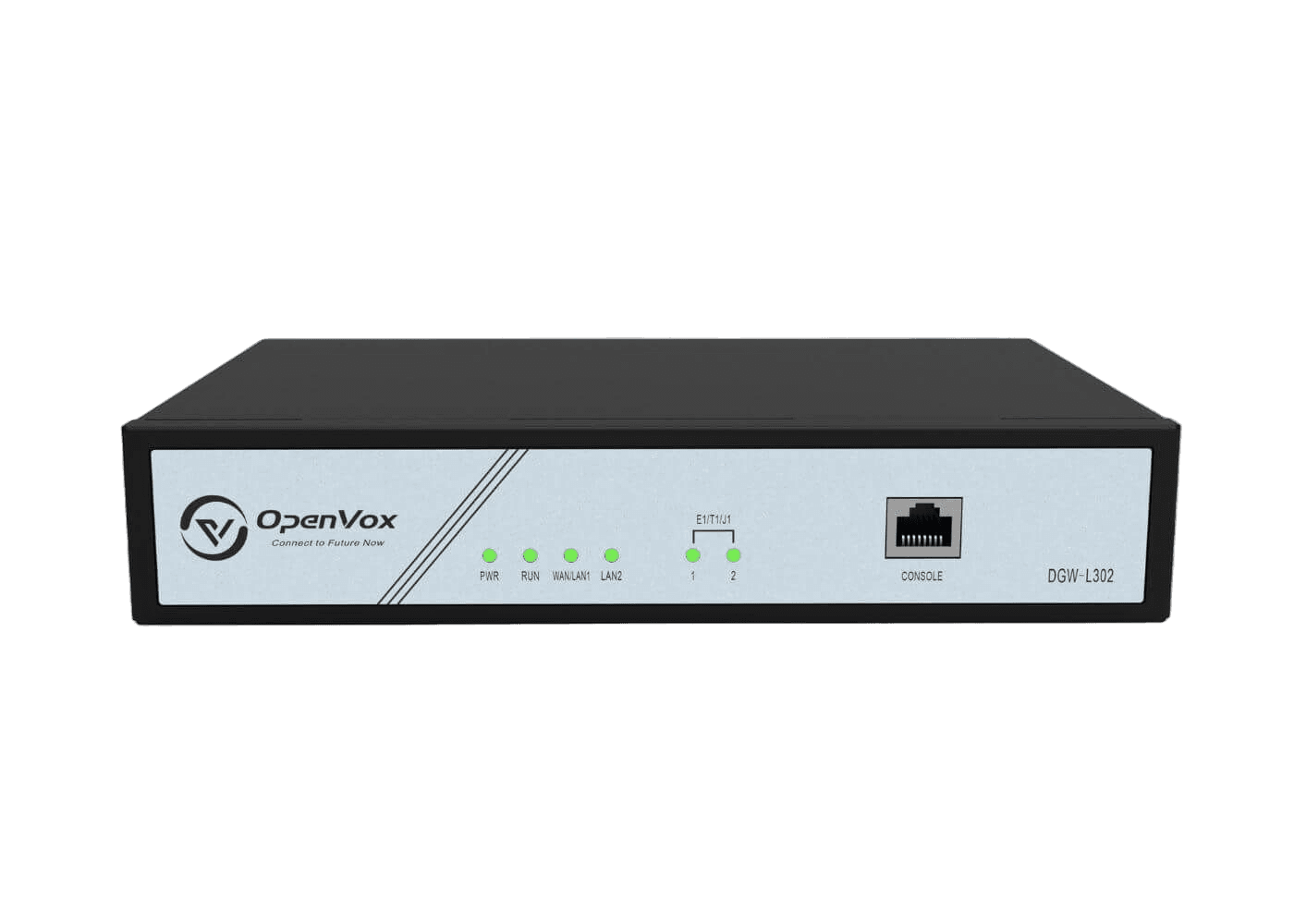
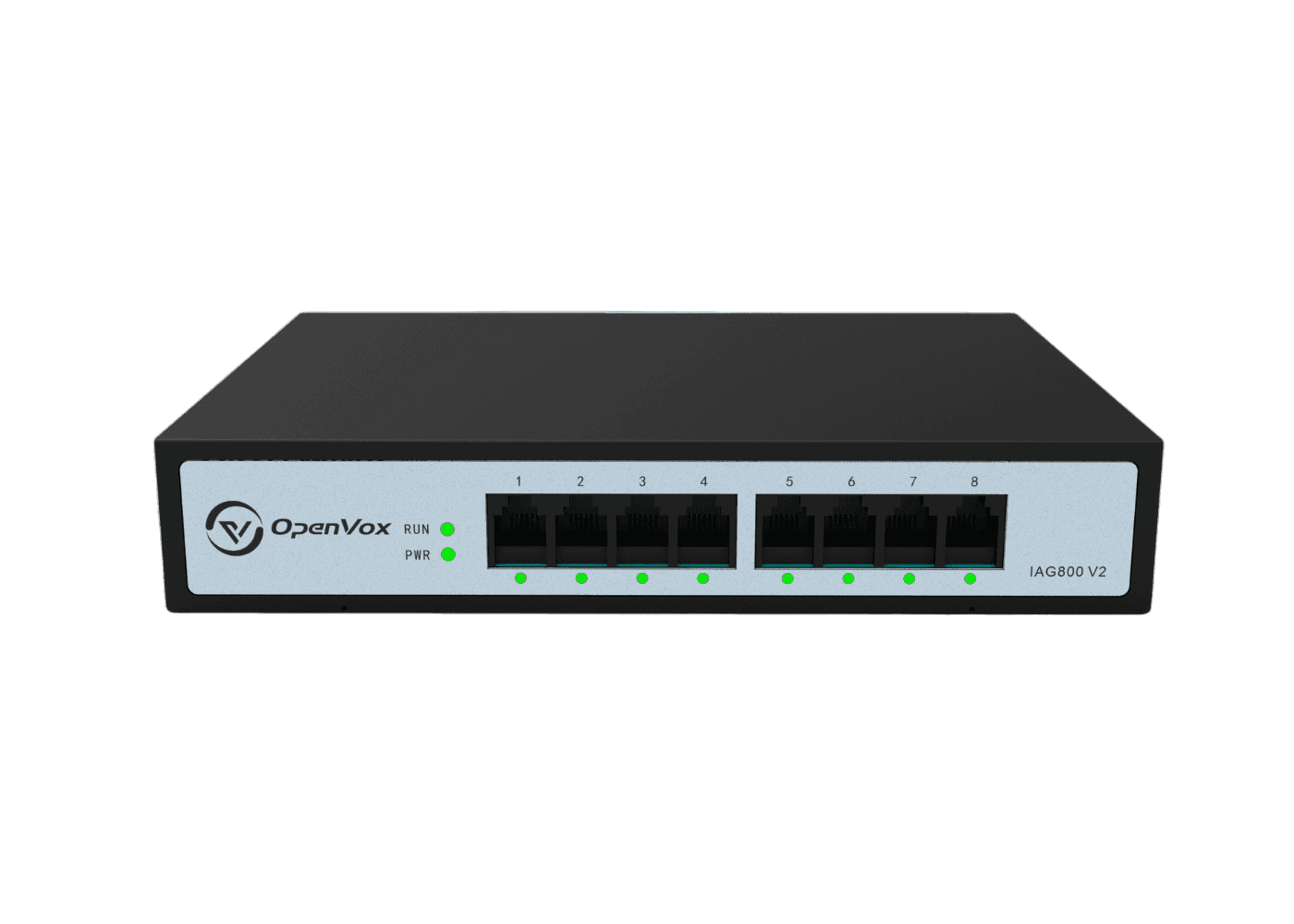
Product selection follows department scale, call volume, retained PBXs and endpoints, external trunks, and approved remote access requirements.
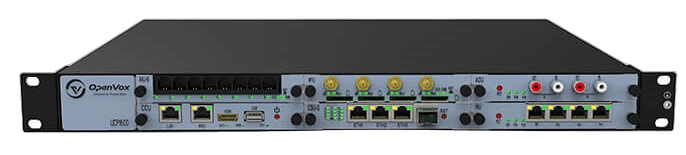
The design governs enterprise and public-service voice; any public safety, emergency service, or certification requirement requires a separate validation scope.
Shared numbering, routing, permissions, monitoring, and reporting coordinate the estate.
Approved sites communicate over the shared SIP network while local roles remain visible.
Existing PBXs, E1/T1 trunks, analog phones, and fax can be migrated in phases.
Community centers and remote field sites can include LTE access when required by the approved operating plan.
Share departments, service locations, call volumes, retained PBXs and endpoints, current trunks, and remote connectivity priorities. OpenVox can map the approved inter-site architecture and access boundaries.
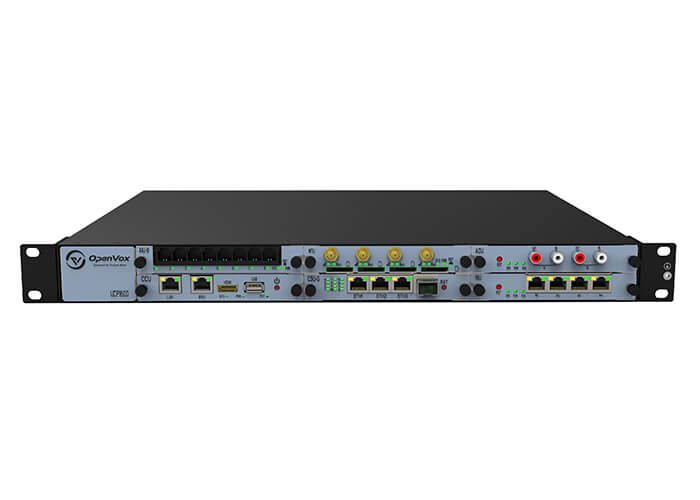
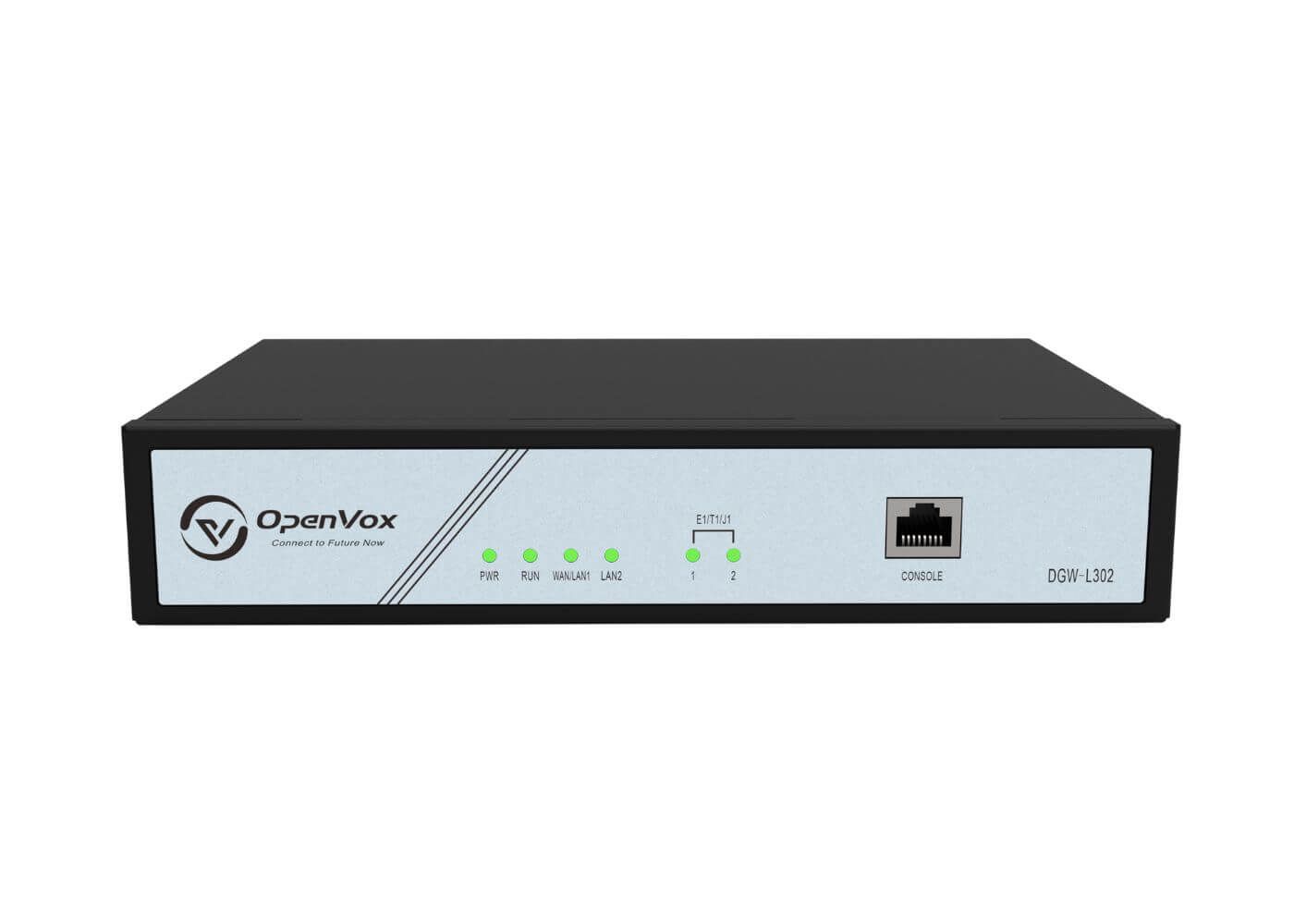
Supports 2 software-selectable T1/E1/PRI interfaces; supports 60 concurrent calls.
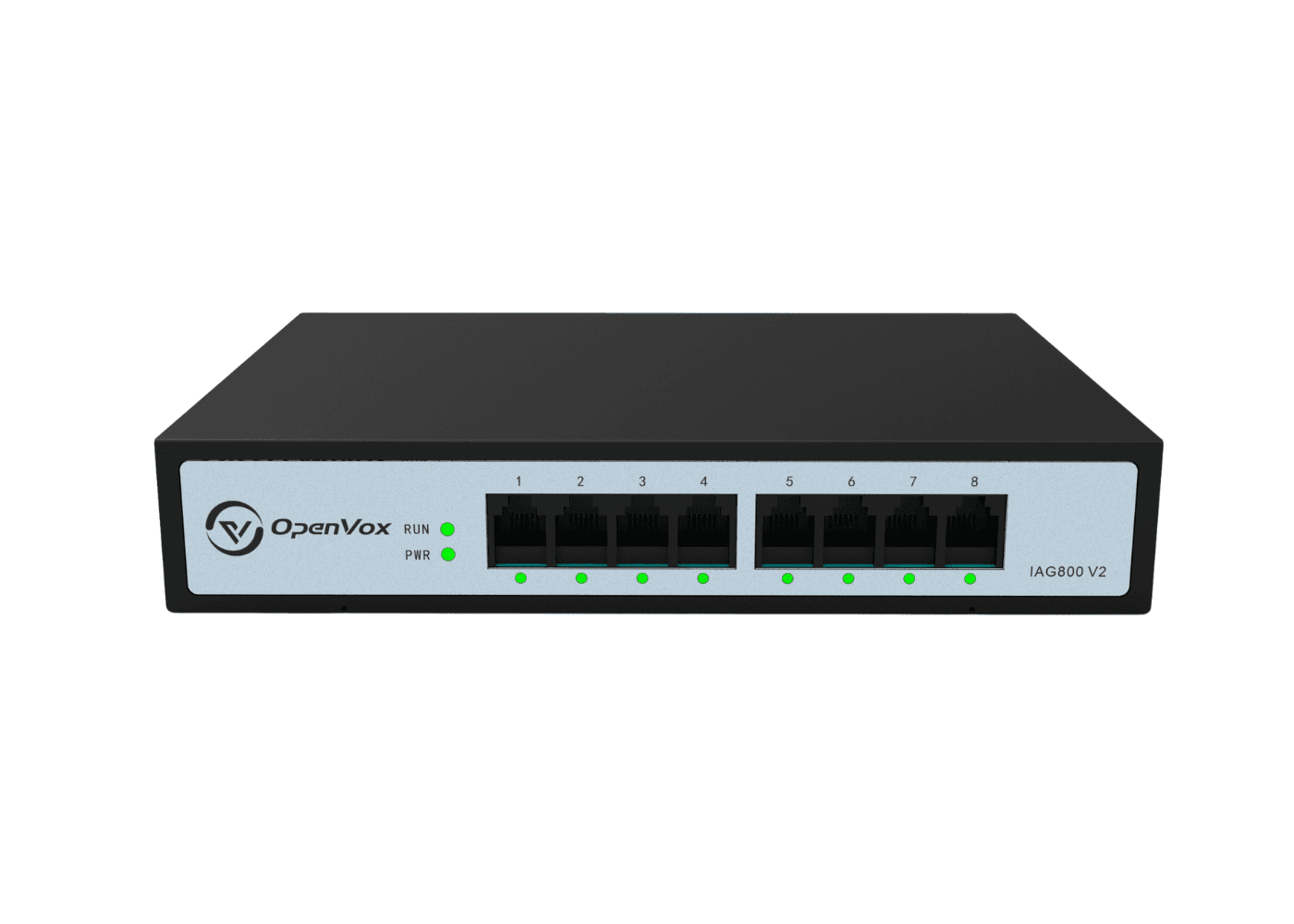
Supports 2/4/8 FXO/FXS combo ports; Uses standard SIP protocol; Compatible with leading IMS/NGN platforms, IPPBX, and SIP servers.
Describe your requirements. Our team can help you select and plan your OpenVox solution.