A control component fails
Use the supported primary/standby behavior on selected UCP models.
Products
Every OpenVox product line, from PBX systems to gateways and accessories.
View all 184 productsIPPBX and phones
Cards and accessories
Connect my sites
Modernize what I have
Build enterprise voice continuity around clearly defined failure scenarios and independently qualified provider paths. Validate the expected failover and recovery behavior before putting the design into service.
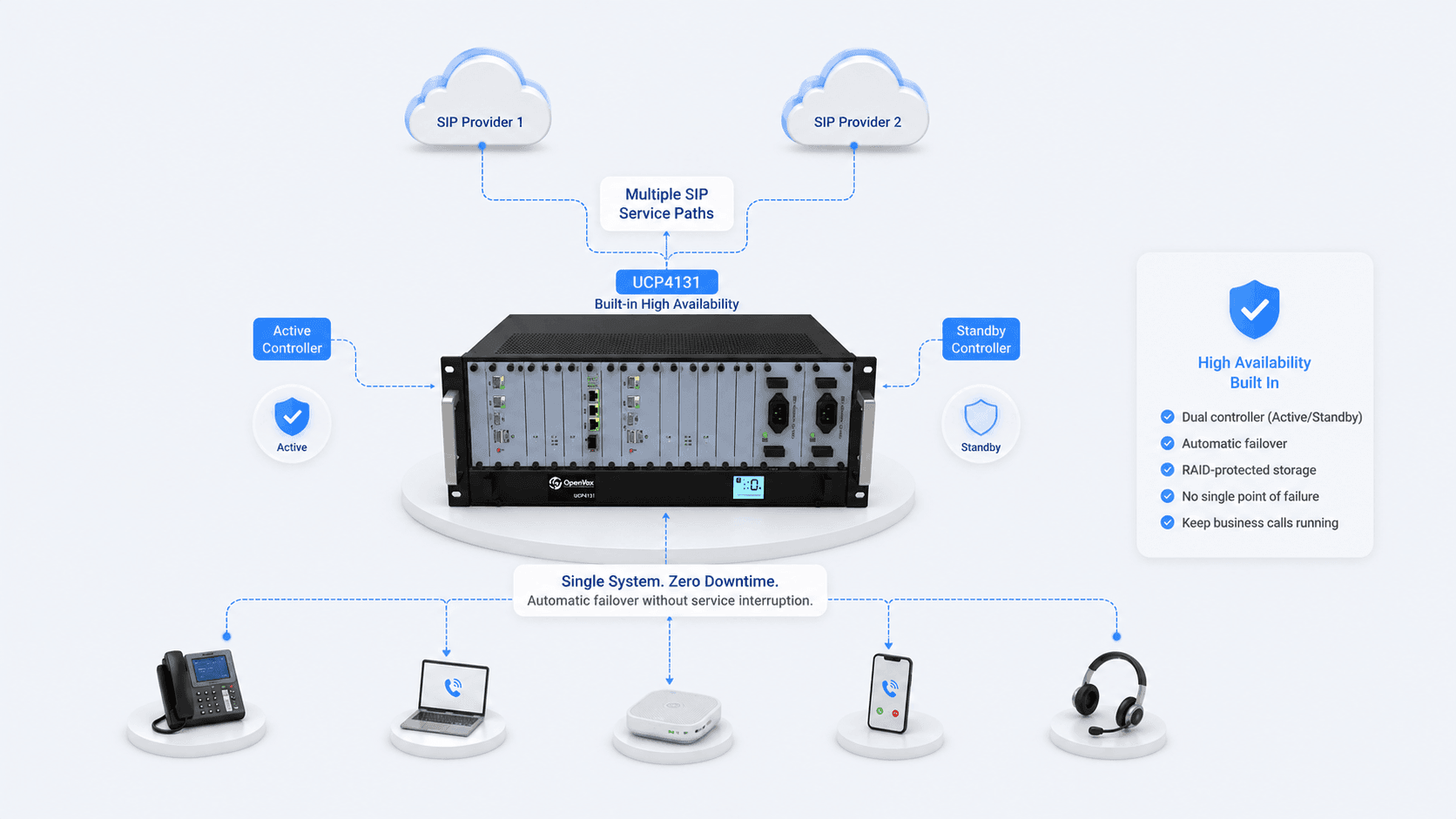
A controller, an entire system, a SIP service, or a carrier trunk can interrupt different parts of the calling environment.
A credible high availability design separates these failure layers and assigns a verified OpenVox mechanism to each one instead of making a universal availability promise.
Use the supported primary/standby behavior on selected UCP models.
Evaluate a dual system or distributed design according to the required service scope.
Use documented multi-server registration when the gateway and service design support it.
Use the independently qualified provider path according to the accepted routing and recovery plan.
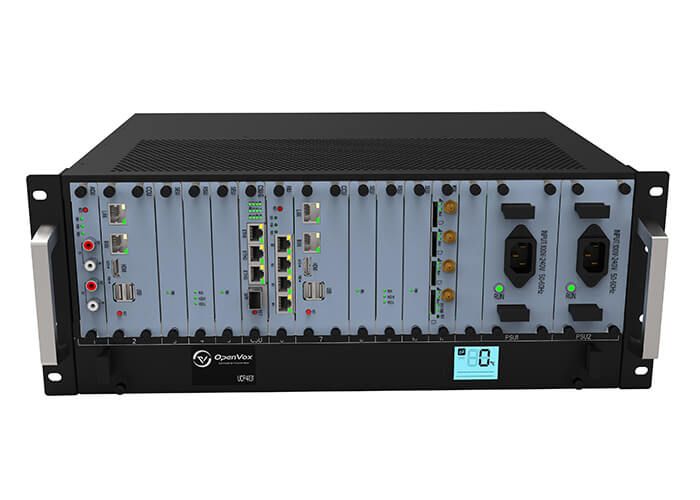
UCP4131 supports active and standby controller roles, model-specific RAID storage via RSU, and more than one SIP service path when the provider design is qualified.
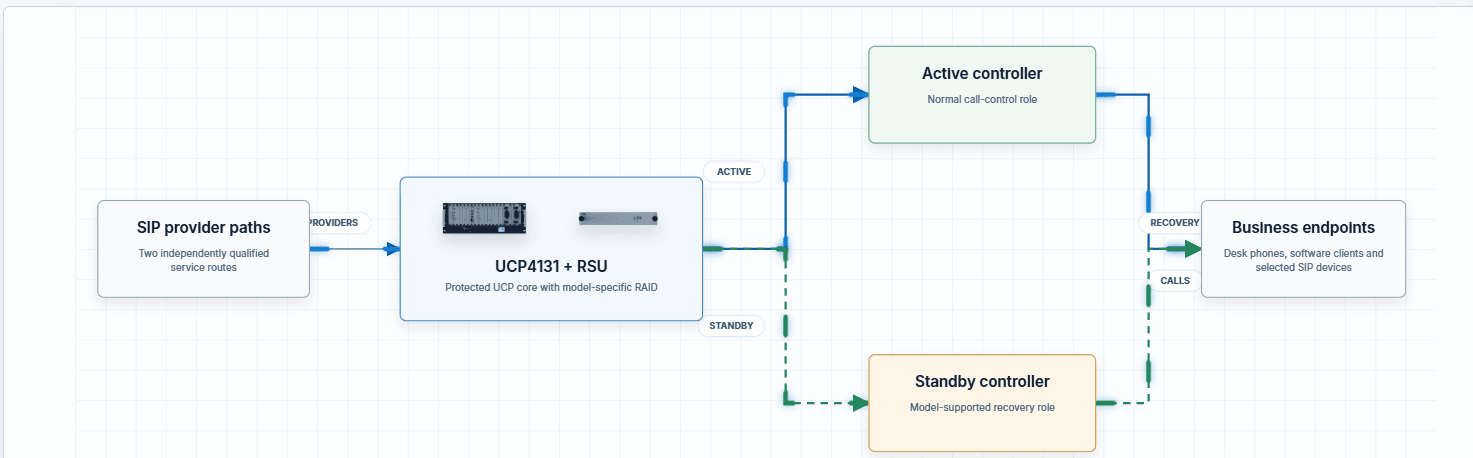
The approved architecture focuses on protecting the UCP4131 controller, model-specific RSU storage, and independently qualified SIP service paths.
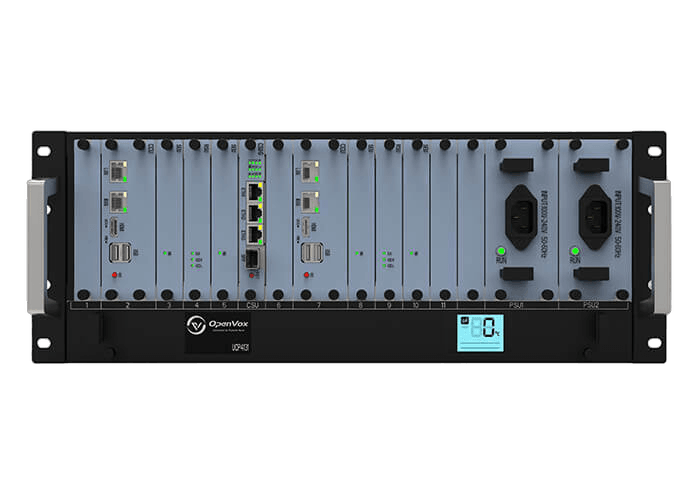
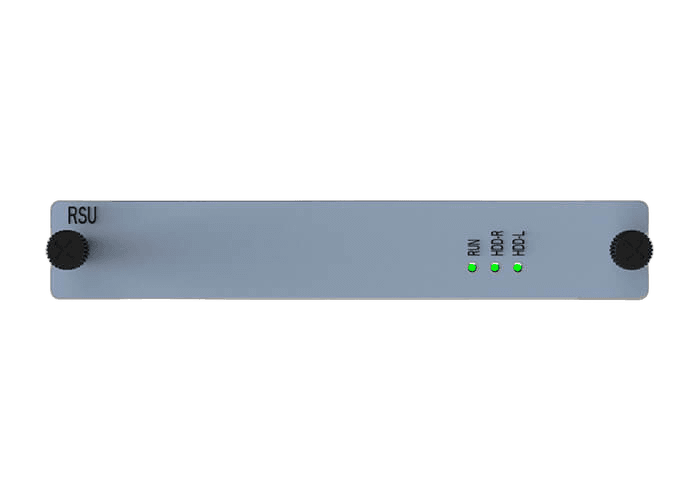
Availability outcomes remain deployment-specific and require failure and recovery acceptance testing.
OpenVox documentation identifies controller, dual system, and power options on selected UCP models.
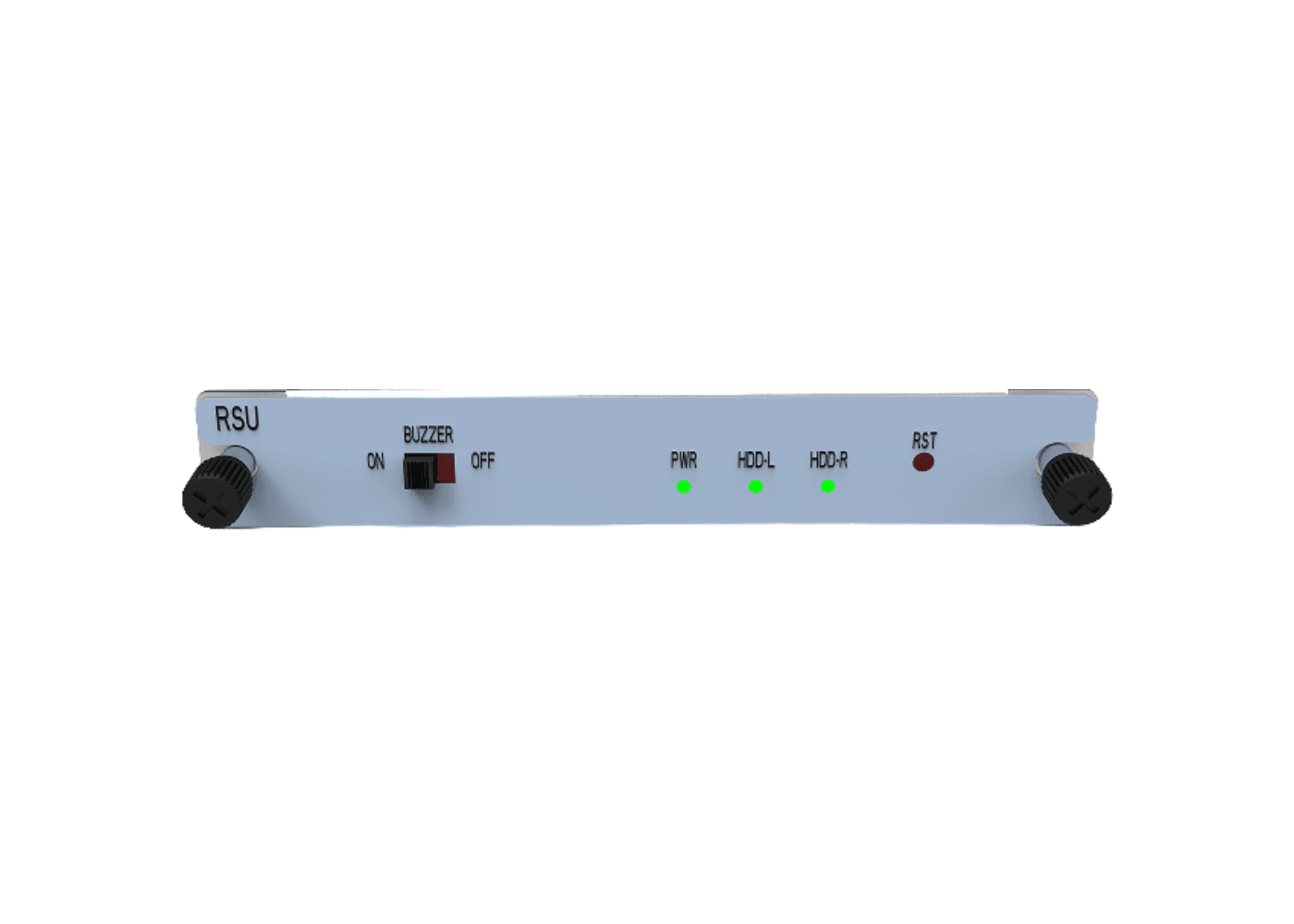
RSU documentation defines the protected storage relationship for UCP4131.
Provider diversity is useful only when registration, routing, and failure behavior are jointly tested.
Actual call preservation and transition behavior must be verified for the selected model and topology.
Share critical users and numbers, the current UCP or PBX, SIP providers, trunk paths, and expected failure behavior. OpenVox can help map model-specific protection layers.
Built around the ASM1062R controller; provides a PCIe 2.0 x1 interface and two SATA 6 Gbps ports.
Describe your requirements. Our team can help you select and plan your OpenVox solution.